The organization is dedicated to expanding access to quality education for children and youth, with a strong focus on inclusive and equitable learning environments. Programs aim to improve school infrastructure, provide learning materials, support teacher development, and reduce barriers to education for disadvantaged and marginalized communities. Key initiatives promote school retention, literacy, and lifelong learning opportunities, empowering individuals and strengthening communities.
Programs under this area advocate for the protection and promotion of human rights, particularly for vulnerable and marginalized groups. Through awareness campaigns, legal education, and community engagement, the organization addresses human rights violations and fosters dignity, equality, and justice. These initiatives also build community understanding of rights and responsibilities, promoting peaceful, inclusive, and rights-respecting societies.

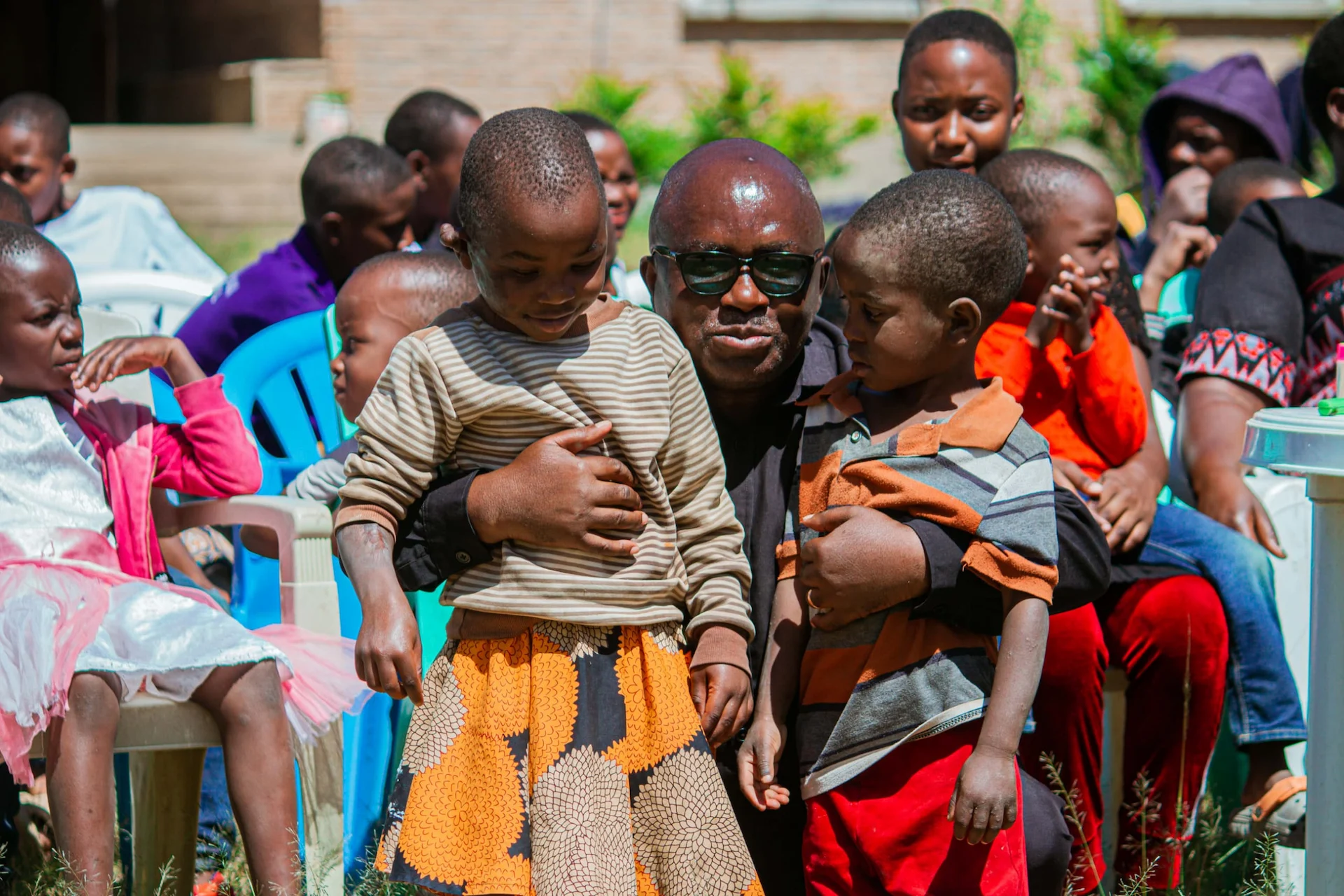
Health and WASH programs focus on improving access to quality healthcare services and safe water, sanitation, and hygiene practices. Initiatives include health education, disease prevention, maternal and child health support, and advocacy for stronger healthcare systems. WASH programs ensure safe drinking water, proper sanitation, and hygiene awareness, with a special focus on women and girls. Together, these efforts enhance community well-being, prevent disease, and strengthen resilience.
Programs promote environmental sustainability and climate resilience through conservation, environmental education, and community-led climate action. Initiatives encourage eco-friendly practices such as reforestation, sustainable agriculture, waste management, and renewable energy use. These efforts aim to protect natural resources, reduce climate-related risks, and ensure sustainable livelihoods for current and future generations.
